Langar Church of England Primary School an Aspire Academy

Safeguarding
What is safeguarding?
Members of staff, parents/carers and visitors who come on to our school premises have a duty of care towards the welfare and safety of the children who attend our school. This is called Safeguarding.
Every child can potentially be hurt, put at risk from harm or abused regardless of their age, gender, religion, ethnicity or disability.
Safeguarding means that:
- Children are protected from mistreatment
- A child’s health or development is protected
- Children grow up with safe and effective care
- Action is taken to ensure the best outcomes for all children
Safeguarding is the action we take to promote the welfare of children in our care and to protect them from harm.
Safeguarding is Everybody's Responsibility
Keeping children safe is the responsibility of the whole school community, this means even those visiting the school have a responsibility to report instances of actual or suspected abuse or neglect to the Designated Safeguarding Leads (DSLs).
The Designated Safeguarding Leads in this setting are: Mr Jamie Walker-Jones, Mrs Joanne Richardson and Mrs Alison George.
The DSLs take lead responsibility for safeguarding and children protection (this includes online safety) and are available to provide advice and support to other staff on child welfare and child protection matters. DSLs take part in strategy discussions, interagency meetings, Core Groups and Child Protection Conferences and contribute to the assessment of children by providing reports, making referrals and attending meetings.
Confidentiality
Information from children or parents about possible child abuse cannot be kept confidential. Information and records about children will be given only to those people who need it to keep a child safe and will be kept strictly confidential by them.
The school adheres to a strict whistle blowing policy which applies to all staff members, Governors and volunteers in school. It outlines who and where report concerns about staff conduct relating to the safeguarding of children to.
Types of Abuse
Abuse is a form of maltreatment of a child. Somebody may abuse or neglect a child by inflicting harm, or by failing to act to prevent harm. They may be abused by an adult or adults or another child or children.
Physical abuse: a form of abuse which may involve hitting, shaking, throwing, poisoning, burning or scalding, drowning, suffocating or otherwise causing physical harm to a child. Physical harm may also be caused when a parent or carer fabricates the symptoms of, or deliberately induces, illness in a child.
Emotional abuse: the persistent emotional maltreatment of a child such as to cause severe and adverse effects on the child’s emotional development. It may involve conveying to a child that they are worthless or unloved, inadequate, or valued only insofar as they meet the needs of another person. It may include not giving the child opportunities to express their views, deliberately silencing them or ‘making fun’ of what they say or how they communicate. It may feature age or developmentally inappropriate expectations being imposed on children. These may include interactions that are beyond a child’s developmental capability as well as overprotection and limitation of exploration and learning, or preventing the child participating in normal social interaction. It may involve seeing or hearing the ill-treatment of another. It may involve serious bullying (including cyberbullying), causing children frequently to feel frightened or in danger, or the exploitation or corruption of children. Some level of emotional abuse is involved in all types of maltreatment of a child, although it may occur alone.
Sexual abuse: involves forcing or enticing a child or young person to take part in sexual activities, not necessarily involving a high level of violence, whether or not the child is aware of what is happening. The activities may involve physical contact, including assault by penetration (for example rape or oral sex) or non-penetrative acts such as masturbation, kissing, rubbing and touching outside of clothing. They may also include non-contact activities, such as involving children in looking at, or in the production of, sexual images, watching sexual activities, encouraging children to behave in sexually inappropriate ways, or grooming a child in preparation for abuse (including via the internet). Sexual abuse is not solely perpetrated by adult males. Women can also commit acts of sexual abuse, as can other children.
Neglect: the persistent failure to meet a child’s basic physical and/or psychological needs, likely to result in the serious impairment of the child’s health or development. Neglect may occur during pregnancy as a result of maternal substance abuse. Once a child is born, neglect may involve a parent or carer failing to: provide adequate food, clothing and shelter (including exclusion from home or abandonment); protect a child from physical and emotional harm or danger; ensure adequate supervision (including the use of inadequate care-givers); or ensure access to appropriate medical care or treatment. It may also include neglect of, or unresponsiveness to, a child’s basic emotional needs.
In addition to these types of abuse and neglect, members of staff will also be alert to following specific safeguarding issues:
Child Sexual Exploitation (CSE)
CSE is a type of sexual abuse in which children are sexually exploited for money, power or status. Children or young people may be tricked into believing they are in a loving, consensual relationship. They might be invited to parties and given drugs and alcohol. They may also be groomed online. Some indicators of children being sexually exploited are: going missing for periods of time or regularly coming home late; regularly missing school or education or not taking part in education; appearing with unexplained gifts or new possessions; associating with other young people involved in exploitation; having older boyfriends or girlfriends; suffering from sexually transmitted infections; mood swings or changes in emotional wellbeing; drug and alcohol misuse and displaying inappropriate sexualised behaviour. A child under the age of 13 is not legally capable of consenting to sex (it is statutory rape) or any other type of sexual touching. Sexual activity with a child under 16 is also an offence. It is an offence for a person to have a sexual relationship with a 16 or 17 year old if that person holds a position of trust or authority in relation to the young person. Non consensual sex is rape whatever the age of the victim. If the victim is incapacitated through drink or drugs, or the victim or his or her family has been subject to violence or the threat of it, they cannot be considered to have given true consent and therefore offences may have been committed. Child sexual exploitation is therefore potentially a child protection issue for all children under the age of 18.
Sharing nude and semi-nude images
Creating and sharing sexual photos and videos of under-18s is illegal. Sharing youth-produced sexual imagery, which is sometimes known as ‘sexting’ covers the incidents where
- A person under the age of 18 creates and shares sexual imagery of themselves with a peer under the age of 18
- A person under the age of 18 shares sexual imagery created by another person under the age of 18 with a peer under the age of 18 or an adult
- A person under the age of 18 is in possession of sexual imagery created by another person under the age of 18.
When such an incident involving youth produced sexual imagery comes to a member of staff’s attention, this will be shared with the designated safeguarding lead with a view to referring to appropriate agencies following the referral procedures.
Child on Child Abuse
Children are capable of abusing other children. This can take different forms, such as physical abuse (such as hitting, kicking, shaking, biting, hair pulling, or otherwise causing physical harm; violence, particularly pre-planned, forcing other children to use drugs or alcohol, initiation/hazing type violence and rituals), emotional abuse (blackmail or extortion, threats and intimidation) sexual violence and sexual harassment; sexting, sexual abuse (indecent exposure, indecent touching or serious sexual assaults, forcing other children to watch pornography or take part in sexting) and sexual exploitation (encouraging other children to engage in inappropriate sexual behaviour, having an older boyfriend/girlfriend, associating with unknown adults or other sexually exploited children, staying out overnight, photographing or videoing other children performing indecent acts). Although it is more likely that girls will be victims and boys perpetrators, all peer on peer abuse is unacceptable and will be taken seriously. We do not tolerate these or pass them off as “banter”, “just having a laugh” or “part of growing up”.
Sexual violence and sexual harassment between children
Sexual violence and sexual harassment can occur between two children of any age and sex. It can also occur through a group of children sexually assaulting or sexually harassing a single child or group of children. It can occur online and offline (both physically and verbally). It is more likely that girls will be the victims of sexual violence and sexual harassment and more likely it will be perpetrated by boys. Children who are victims of sexual violence and sexual harassment will find the experience stressful and distressing. This will affect their educational attainment. Staff will share any concerns about or knowledge of such incidents immediately with the DSL with a view to ensuring that support systems are in place for victims (and alleged perpetrators). We take these incidents seriously and ensure that victims are protected, offered appropriate support and every effort is made to ensure their education is not disrupted
So-called ‘honour-based’ violence (HBV)
HBV includes incidents or crimes which have been committed to protect or defend the honour of the family and/or the community, including female genital mutilation (FGM), forced marriage, and practices such as breast ironing. Abuse committed in the context of preserving “honour” often involves a wider network of family or community pressure and can include multiple perpetrators. All forms of HBV are abuse (regardless of the motivation) and will be handled and escalated as such. If members of staff have a concern about or knowledge of a child that might be at risk of HBV or who has suffered from HBV, they will share it immediately with the DSL with a view to referring to appropriate agencies.
Female Genital Mutilation (FGM)
FGM is a procedure where the female genital organs are injured or changed and there is no medical reason for this. It is frequently a very traumatic and violent act for the victim and can cause harm in many ways. The practice can cause severe pain and there may be immediate and/or long-term health consequences, including mental health problems, difficulties in childbirth, causing danger to the child and mother; and/or death.
FGM is a deeply embedded social norm, practiced by families for a variety of complex reasons. It is often thought to be essential for a girl to become a proper woman, and to be marriageable. The practice is not required by any religion.
FGM is an unacceptable practice for which there is no justification. It is child abuse and a form of violence against women and girls.
Domestic Abuse
Domestic abuse can take many forms, including physical violence, emotional abuse, threats, intimidation, controlling behaviour and financial abuse. Children can be deeply affected by domestic abuse, whether they experience it directly or see, hear or live with its effects at home. At Langar, we understand that children need to feel safe, loved and secure in order to flourish. We approach concerns about domestic abuse with sensitivity, compassion and without judgement, working with families and safeguarding partners to ensure children receive the support and protection they need. If you are worried about domestic abuse affecting your family or someone you know, please speak to one of our Designated Safeguarding Leads.
Online Safety, Misinformation online and Generative AI
The online world offers wonderful opportunities for children to learn, create and connect, but it also presents risks. These include cyberbullying, harmful content, online grooming, misinformation andthe misuse of artificial intelligence. At Langar, we teach children to be thoughtful, critical and responsible digital citizens, helping them recognise risks, question what they see online and know when to ask a trusted adult for help. We work closely with families to promote safe and healthy online habits, both at school and at home.
Young Carers and Children Facing Additional Challeneges
Some children carry responsibilities or worries beyond those normally expected for their age. Young carers, children experiencing family difficulties and those affected by illness, bereavement or other challenges may need additional understanding and support. At Langar, we recognise that every family's circumstances are different. We encourage open conversations with parents and carers so that we can identify difficulties early, offer practical and emotional support and work with other services when needed. No child should feel that they have to face difficult circumstances alone.
Discrimination, Prejudice and Harmful Behaviours
Every child has the right to feel safe, respected and included. At Langar, we take all forms of bullying, racism, discrimination and prejudice-based harm seriously, including harmful behaviour relating to religion, disability, sex or other protected characteristics. Through our curriculum, collective worshp and school values, we teach children to understand difference, challenge prejudice and treat others with dignity. We encourage children to speak up whenever something feels wrong and respond carefully to concerns, ensuring that those affected receive appropriate support.
The Prevent Duty
The governors and staff of Langar Church of England Primary School are fully committed to safeguarding and promoting the welfare of all its pupils. As a school we recognise that safeguarding against radicalisation and extremism is as important as safeguarding against any other vulnerability.
All staff are expected to uphold and promote the fundamental principles of British values, including democracy, the rule of law, individual liberty and mutual respect, and tolerance of those with different faiths and beliefs. We believe that children should be given the opportunity to explore diversity and understand Britain as a multi-cultural society; everyone should be treated with respect whatever their race, gender, sexuality, religious belief, special need, or disability.
As part of our commitment to safeguarding and child protection we fully support the government's Prevent Strategy.
Staff and Governors have completed the Prevent e-learning course. Channel is a programme which focuses on providing support at an early stage to people who are identified as being vulnerable to being radicalised.
Where we are concerned about about the safety and welfare of our pupils in this connection we will follow the procedures laid down and refer to the Channel programme.
For further details please see:
Child Protection policy
RSE Curriculum
Special Educational Needs Policy
ICT Policy
How do we seek to prevent radicalisation and extremism?
We are proactive in our approach and have ensured the Designated Safeguarding Lead has accessed face to face training to help identify risk and support other colleagues where there are specific concerns. We will work with key partners to ensure that we are aware of any tensions within our local community and nationally and internationally, so that we can create safe spaces for our children to discuss their experiences and concerns.
Where we are concerned about individual children there is a referral pathway which all staff will be familiar with. Initial advice and support can be obtained from the Tackling Emerging Threats to Children Team and more serious concerns should be referred to the Police Prevent Team or the MASH where there is a concern that a child is at immediate risk.
In exercising our specific duty under Prevent we seek to protect children and young people from being drawn into, and against, the messages of all violent extremism. This includes and is not restricted to Daesh, Al Qaeda, Far Right, Neo Nazi, White Supremacist ideology, Irish Nationalist and Loyalist paramilitary groups and extremist Animal Rights movements.
The use of social media and the internet as tools to radicalise young people cannot be underestimated. We recognise that those that seek to recruit young people to follow extremist ideology often target those who are already vulnerable in some way and that exposure to extreme views can make young people vulnerable to further manipulation and exploitation. We will therefore ensure that we build children and young people’s critical thinking skills and resilience through both our curriculum and pastoral provision/systems.
At Langar Church of England Primary School we are clear that we have a duty to safeguard young people from such dangers and we will actively promote resilience to such risks through our RE curriculum, SEND policy, collective worship policy, our SMSC work, anti-bullying work and wider curriculum. We are committed to ensuring that pupils are offered a broad and balanced curriculum that aims to prepare them for life in modern Britain. Teaching the school’s core values alongside the fundamental British Values supports quality teaching and learning, whilst making a positive contribution to the development of a fair, just and civil society. We ensure our policies for use of the academy premises by external agencies, visitors, premises’ hire and our online safety and ICT policies protect students from extremism. Staff should be alert to changes in children’s behaviour, which could indicate that they may be in need of help or protection. Staff should use their judgement in identifying children who might be at risk of radicalisation and proportionately which may include the designated safeguarding lead making a Prevent referral.
Recognising Extremism
Early indicators of racialisation or extremism may include:
Showing sympathy for external causes
Glorifying violence, especially to other faiths or cultures
Making remarks or comments about being at extremist events or rallies outside the academy
Evidence of possessing illegal or extremist literature
Advocating messages similar to illegal organisations or other extremist groups
Out of character changes in dress, behaviour and peer relationships (but there are also very powerful narratives, programmes and networks that young people can come across online so involvement with particular groups may not be apparent)
Secretive behaviour
Online searches or sharing extremist messages or social profiles
Intolerance of difference, including faith, culture, gender, race or sexuality
Graffiti, art work or writing that displays extremist themes
Attempts to impose extremist views or practices on others verbalising anti-Western or anti[1]British views
Advocating violence towards others
Definitions
Extremism is the vocal or active opposition to our fundamental values, including democracy, the rule of law, individual liberty and the mutual respect and tolerance of different faiths and beliefs. This also includes calling for the death of members of the armed forces. Radicalisation refers to the process by which a person comes to support terrorism and extremist ideologies associated with terrorist groups. Terrorism is an action that endangers or causes serious violence to a person/people; causes serious damage to property; or seriously interferes or disrupts an electronic system. The use or threat must be designed to influence the government or to intimidate the public and is made for the purpose of advancing a political, religious or ideological cause
CHANNEL
Channel is a programme which focuses on providing support at an early stage to people who are identified as being vulnerable to being drawn into terrorism that uses existing collaboration between local authorities, the police, statutory partners (such as the education sector, social services, children’s and youth services and offender management services) and the local community.
PRIVATE FOSTERING
Private fostering is when a child under the age of 16 (under 18 if disabled) is cared for by someone who is not their parent or a 'close relative'. This is a private arrangement made between a parent and a carer, for 28 days or more. Close relatives are defined as step-parents, grandparents, brothers, sisters, uncles or aunts (whether of full blood, half blood or by marriage). Great grandparents, great aunts, great uncles and cousins are not regarded as close relatives.
Should you be concerned about the safety or well-being of a child, this advice should help you to make the right decisions.
If you feel a child is in urgent need of help you should contact Nottinghamshire Police 999.
In school hours, please speak to one of our Designated Safeguarding Leads who have responsibility for Child Protection.
Mr Jamie Walker-Jones (Headteacher and Designated Safeguarding Lead)
Mrs Joanne Richardson (Assistant Headteacher and Deputy Designated Safeguarding Lead)
Mrs Alison George (Pastoral Lead and Deputy Designated Safeguarding Lead)
In the unlikely event that you cannot contact any of the DSLs above, please contact school and ask to speak with the Chair of Governors regarding a safeguarding issue. All information will be treated in the strictest confidence.
A copy of the school's Safeguarding/Child Protection policy is available under the Policy Section of the website.
Multi-Agency Safeguarding Hub (MASH)
Information for parents and carers
The MASH is a partnership between Nottinghamshire County Council, Nottinghamshire NHS health services, Nottinghamshire Police and the Probation Service working together to safeguard children, young people and vulnerable adults.
What does the MASH do?
When a professional, family member or member of the public is concerned about a child or young person’s welfare or safety, they can contact us so we can look into it. This is called reporting a safeguarding concern. For more details, please download the following document.
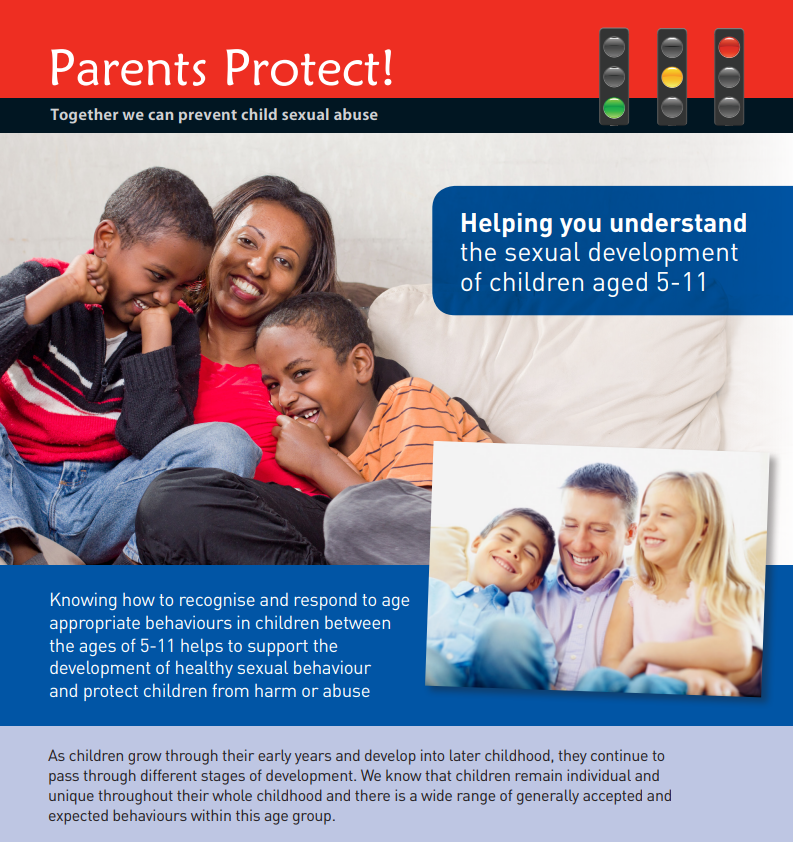
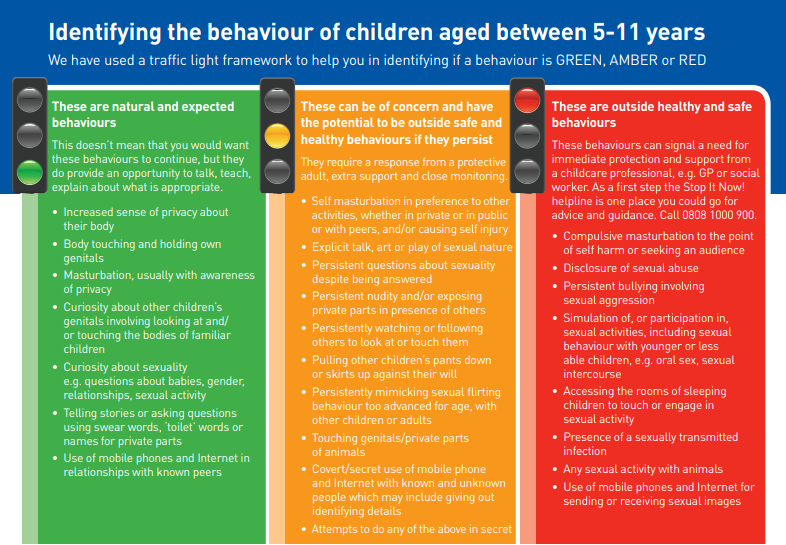
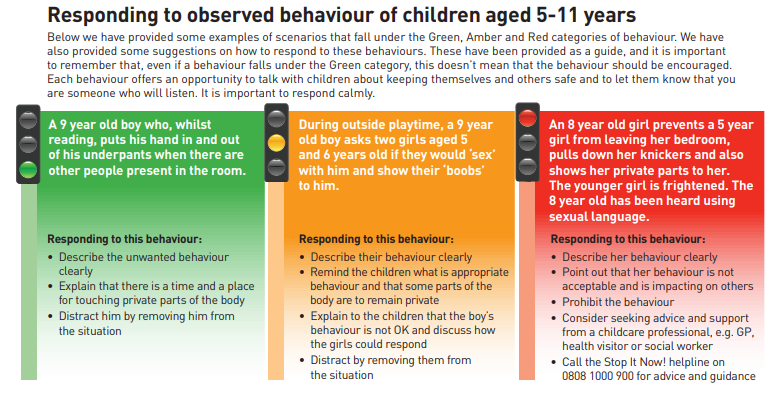
Children Displaying Sexualised Behaviour
Sexual Abuse
Click here to view details about the underwear rule, an important message for all children to understand if they are going to stay safe.
Click here to view details about Child Sexual Exploitation (CSE).
Click here to view details about Healthy Sexual Activity. This outlines what behaviour is deemed healthy for children at different ages so that you can distinguish between this and other sexual behaviour that may be concerning. Any sexual behaviour can be very alarming for parents so as well as viewing this very useful information, please do not hesitate to come and see one of the safeguarding team if you have an particular worries in this area.
Click here to view 'The Grooming Line'. This is a useful guide if you are concerned that your child may be at risk of being groomed into gang or other dangerous activity on line or anywhere else. It provides useful signs to look out for.

We have provided useful websites for you through the link below.